Understanding Mold Inspections in Louisiana: A Guide

Mold can be a hidden menace in homes and buildings, especially in humid climates like Louisiana. With the state’s warm temperatures and high humidity levels, mold growth is a common issue that can lead to serious health problems and structural damage if left unchecked. This guide will help you understand the importance of mold inspections, what to expect during the process, and how to choose the right professionals for the job.
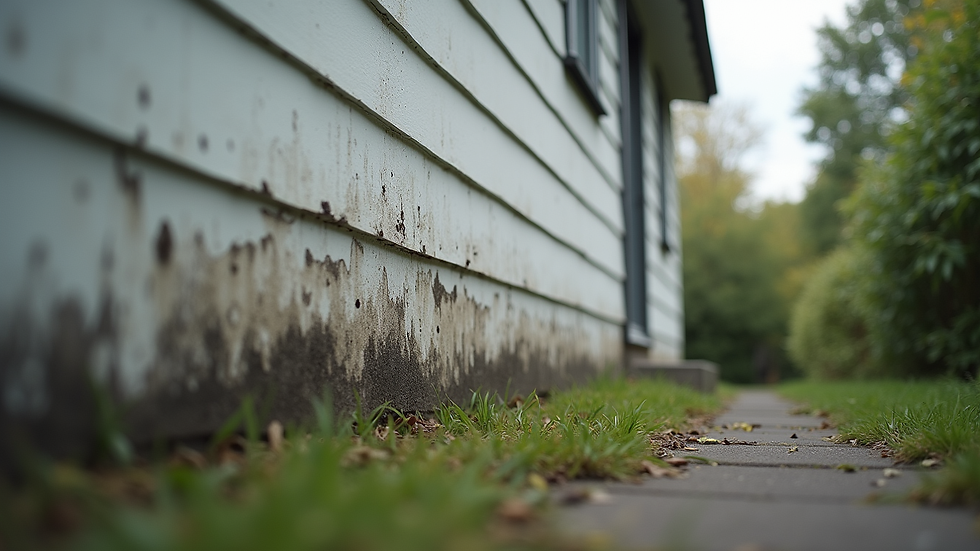
What is Mold?
Mold is a type of fungus that thrives in damp environments. It reproduces through tiny spores that can easily become airborne and spread throughout a building. While some mold is harmless, others can produce allergens and irritants that may lead to health issues, particularly for individuals with respiratory problems, allergies, or weakened immune systems.
Common Types of Mold Found in Louisiana
In Louisiana, the most common types of mold include:
Aspergillus: Often found in homes, it can cause respiratory issues.
Cladosporium: This mold can grow on various surfaces, including wood and textiles, and may trigger allergic reactions.
Stachybotrys chartarum (Black Mold): Known for its dark color, it can produce mycotoxins that are harmful to health.
Understanding these molds can help homeowners identify potential risks and take necessary precautions.
Why Are Mold Inspections Important?
Mold inspections are crucial for several reasons:
Health Risks: Mold can cause a range of health problems, from mild allergies to severe respiratory issues. Identifying mold early can help mitigate these risks.
Property Damage: Mold can weaken the structure of a building, leading to costly repairs. Early detection can save homeowners money in the long run.
Insurance Claims: Many insurance policies require a mold inspection before they will cover damages. Having a professional inspection can facilitate the claims process.
What to Expect During a Mold Inspection
A mold inspection typically involves several steps:
Initial Consultation
The process begins with a consultation where the inspector will ask questions about any visible mold, water damage, or musty odors. This helps them understand the scope of the inspection.
Visual Inspection
The inspector will conduct a thorough visual examination of the property, looking for signs of mold growth, water damage, and potential sources of moisture. Common areas to check include:
Basements and crawl spaces
Bathrooms
Kitchens
Attics
Around windows and doors
Moisture Assessment
Using specialized tools, the inspector will measure moisture levels in various areas of the home. High moisture levels can indicate a potential mold problem.
Air Quality Testing
In some cases, air quality tests may be conducted to identify mold spores in the air. This can help determine the extent of the mold problem and whether it poses a health risk.
Reporting Findings
After the inspection, the inspector will provide a detailed report outlining their findings, including the type of mold present, the extent of the infestation, and recommendations for remediation.
Choosing the Right Mold Inspection Company
When selecting a mold inspection company in Louisiana, consider the following factors:
Experience and Credentials
Look for companies with experience in mold inspections and remediation. Check for certifications from recognized organizations, such as the Institute of Inspection, Cleaning and Restoration Certification (IICRC).
Reviews and References
Read online reviews and ask for references from previous clients. This can give you insight into the company’s reputation and the quality of their work.
Comprehensive Services
Choose a company that offers a full range of services, including inspections, testing, and remediation. This can simplify the process and ensure that you are working with a single provider throughout.
Transparent Pricing
Request a detailed estimate before the inspection. A reputable company should provide clear pricing without hidden fees.
The Mold Remediation Process
If mold is found during the inspection, remediation will be necessary. Here’s what to expect during the remediation process:
Containment
The first step is to contain the affected area to prevent mold spores from spreading. This may involve sealing off rooms and using air filtration systems.
Removal
Next, the mold will be removed using specialized techniques and equipment. This may involve discarding contaminated materials, such as drywall or carpeting.
Cleaning and Disinfection
After removal, the area will be thoroughly cleaned and disinfected to eliminate any remaining spores.
Repair and Restoration
Finally, any damaged materials will be repaired or replaced to restore the property to its original condition.
Preventing Mold Growth
Preventing mold growth is essential, especially in a humid climate like Louisiana. Here are some tips to keep your home mold-free:
Control Humidity Levels
Keep indoor humidity levels below 60% by using dehumidifiers and air conditioning. Regularly check and maintain these systems to ensure they are functioning properly.
Fix Leaks Promptly
Address any leaks in plumbing, roofs, or windows immediately. Water intrusion is a primary cause of mold growth.
Improve Ventilation
Ensure proper ventilation in areas prone to moisture, such as bathrooms and kitchens. Use exhaust fans and open windows when possible.
Regular Inspections
Conduct regular inspections of your home, especially in areas that are prone to moisture. Early detection can help prevent larger mold problems.
Conclusion
Mold inspections are a vital part of maintaining a healthy home in Louisiana. By understanding the importance of these inspections and knowing what to expect, homeowners can take proactive steps to protect their health and property. If you suspect mold in your home, don’t hesitate to contact a professional for an inspection. Taking action now can save you time, money, and potential health issues in the future.
Comments